
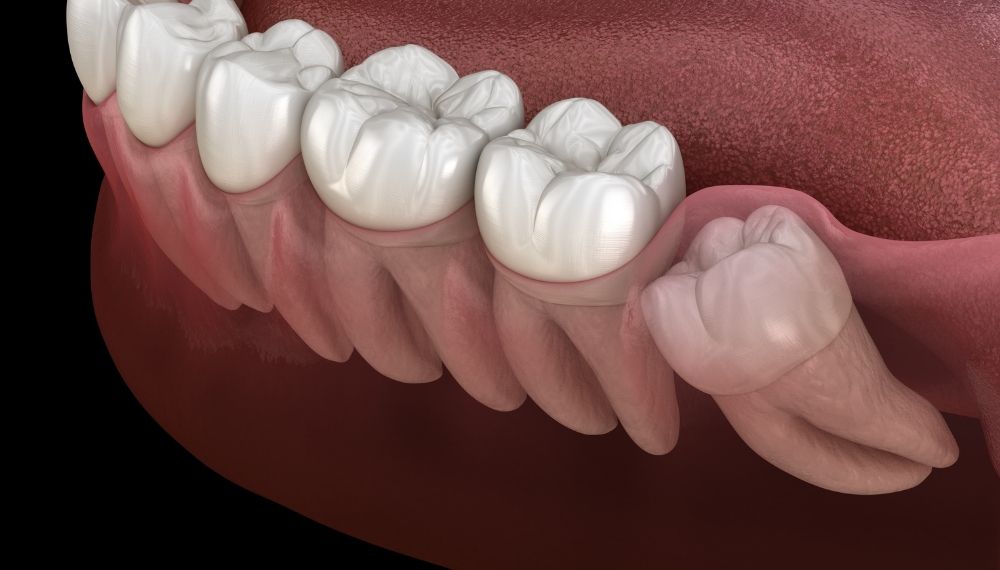
How Are Missing Teeth Treated?
Gum disease, untreated decayed teeth or tooth loss due to trauma can lead to missing teeth. Tooth loss prevents effective chewing. This can lead to both nutritional problems and pain in the joint area for patients. There are many different treatment options available for tooth loss. Bridge prostheses, which are supported by adjacent teeth, or removable dentures—which the patient can take out during the day and which are not cemented into the mouth—are frequently used in cases where dental support cannot be provided. However, these treatment options also have a number of disadvantages. In the case of bridge prostheses, if the teeth adjacent to the edentulous area have undergone a procedure that damages tooth structure, such as decay or a filling, this option may be preferred as it is a more economical and quicker treatment. However, in healthy teeth, as the outer layer of the tooth is ground down to create a crown, problems may arise in these teeth in the future. With removable dentures, chewing forces are transmitted directly to the bone surface and may lead to bone loss. This, in turn, can cause the denture to become ill-fitting over time. For this reason, dental implants are now the preferred alternative to these treatment methods.
What is a Dental Implant?
Dental implants are titanium-based materials that are screwed into the bone tissue and provide support for the prosthesis to be fitted.
Can an Allergy to Dental Implants Develop?
Cases of allergy developing in relation to these titanium-based materials are virtually non-existent. However, for patients with sensitive constitutions or a history of allergies, appropriate laboratory tests should be carried out and the risk of an allergic reaction assessed.
When Are Dental Implants Placed?
These materials, which can be used in all age groups, can be placed either at the same time as a tooth extraction or following a tooth extraction.
How Long Does the Dental Implant Procedure Take?
The dental implant procedure is similar to a tooth extraction and is even described as a more comfortable procedure from the patient’s perspective. A dental implant can be placed into the bone in as little as 15 minutes on average. The surgeon’s skill and the surgical team’s experience are also very important during the procedure.
Is There Any Pain During the Post-Procedure Period?
Following dental implant surgery, swelling, pain and associated difficulty opening the mouth may occur. However, these symptoms subside within three days and, with appropriate aftercare, patients are able to return to their normal routines following the procedure.
What Are the Benefits of This Procedure?
Dental implant treatment is effective in reducing bone loss in the jawbone. It prevents adjacent teeth from tilting into the gaps left by extracted teeth and the resulting disruption to the bite. It helps to ensure that chewing function is performed more effectively with the prostheses to be fitted. When no treatment is carried out on the adjacent teeth, these teeth are preserved.
When Can Prostheses Be Fitted After the Procedure?
Following dental implant surgery, a waiting period of at least 3 months for the lower jaw and at least 4 months for the upper jaw is required to allow for healing. During this period, patients are called in for a check-up once a month, and dentures can be fitted once full healing has been achieved. The purpose of this waiting period is to ensure the repair of the bone tissue surrounding the implant and to ensure that it can bear the chewing forces that will be applied to it. Recently, to treat tooth loss more quickly, prosthetic restoration can be carried out simultaneously with implant surgery. The placement of a prosthesis at the same time as the implant helps to alleviate patients’ aesthetic concerns, particularly in cases of tooth loss in the front region. As this procedure can be carried out at the same time as tooth extraction, the patient can return to their social life without any inconvenience.
Do Dental Implants Provide a Long-Term Solution?
It is extremely important that certain conditions are met to ensure dental implants remain in the mouth for a long time and remain healthy. First and foremost, proper planning must be carried out and regular follow-up appointments must be maintained. During the planning stage, X-rays and an intraoral examination are of great importance. Prior to the procedure, X-rays are taken to assess the size of the bone and determine the diameter of the implant to be placed. The intraoral examination, meanwhile, determines how many implants will be placed. This ensures that appropriate planning is carried out to enable the patient to chew comfortably. Following the procedure, the patient attends monthly check-ups to assess the healing of the implant and the surrounding bone. However, these follow-ups must also be repeated after the prosthesis has been fitted. Patients often do not consult their dentist unless they are experiencing problems. This puts the health of the implant at risk. It is generally recommended that check-ups be carried out every three months for the first six months, annually during the first year, and then once a year for the first three years.
How is Dental Implant Care Carried Out?
Oral hygiene becomes particularly important following dental implant surgery. This is because food debris accumulating around the implants can lead to bone loss, which in turn may result in implant failure. For this reason, patients should clean their implants at least twice a day, using interdental brushes and dental floss to ensure effective care. In summary, dental implant surgery is a commonly used method today. However, it should not be forgotten that the chances of success increase with accurate diagnosis, proper planning and an experienced surgical team. When these conditions are met, dental implants can maintain their function within the mouth over the long term without any loss.
Author: Tayfun Günbay, Professor of Oral and Maxillofacial Surgery, Dentist, Dental Centre Izmir